The Role of Battery Lamination in Modern Energy Storage Technologies
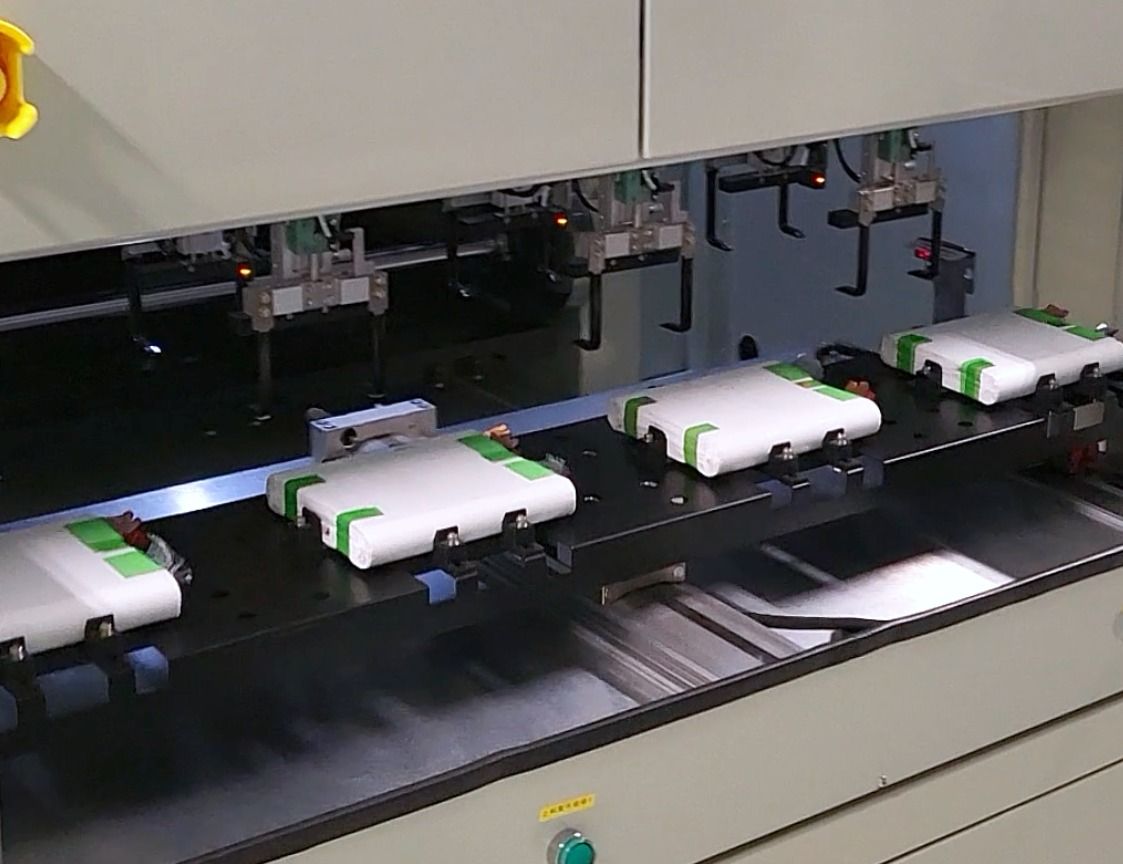
In today’s fast-evolving energy landscape, the demand for efficient, safe, and long-lasting batteries continues to grow. From smartphones to electric vehicles and renewable energy storage systems, batteries are the invisible engines driving technological progress. As manufacturers seek to improve performance and durability, one crucial process has gained significant attention battery lamination. This advanced technique enhances the overall integrity and performance of batteries, ensuring they meet the rigorous demands of modern applications.
Understanding the Basics of Battery Construction
To appreciate the importance of lamination, it’s essential to understand the anatomy of a battery. A typical lithium-ion battery, for example, consists of several layers: the anode, cathode, separator, and electrolyte. These layers must remain tightly bonded to ensure efficient ion movement and stable energy flow. Any misalignment or defect between these layers can lead to performance degradation or even safety hazards. This is where the lamination process plays a pivotal role by ensuring each layer adheres perfectly, reducing internal resistance, and improving energy density.
What Is Battery Lamination?
Battery lamination refers to the process of bonding multiple layers of battery materials together using heat, pressure, or adhesives. The goal is to create a stable and uniform structure that can withstand mechanical stress and environmental factors such as temperature fluctuations and humidity. This technique is widely used in the production of pouch cells, cylindrical cells, and prismatic batteries. Unlike older assembly methods, lamination ensures that the active materials remain in close contact, minimizing the chances of delamination or internal short circuits.
How the Lamination Process Works
The lamination process typically begins after the electrode sheets are coated with active material and dried. These sheets are then stacked or wound together with separators. Before sealing, the layered assembly undergoes lamination to eliminate air pockets and improve adhesion. This is usually done through a combination of vacuum and heat compression. The temperature and pressure applied during lamination depend on the materials used and the battery type. For instance, lithium-ion batteries require precise control of heat to avoid damaging the sensitive electrode materials. When executed properly, the lamination process results in a compact and durable cell that can deliver consistent performance over hundreds or even thousands of charge cycles.
Advantages of Lamination in Battery Manufacturing
Battery lamination offers several advantages that make it indispensable in modern production lines. Firstly, it enhances the mechanical stability of the battery, reducing the risk of deformation or swelling during use. Secondly, it improves electrical connectivity between layers, which translates to better conductivity and higher energy efficiency. Another significant advantage is improved safety. Well-laminated cells are less likely to develop internal short circuits caused by layer separation or particle contamination. In addition, the lamination process can reduce the thickness and weight of the battery by eliminating unnecessary adhesives or support materials, resulting in a higher energy-to-weight ratio.
The Role of Lamination in Electric Vehicle Batteries
Electric vehicles (EVs) represent one of the fastest-growing markets for advanced battery technologies. To meet the performance demands of EVs, batteries must deliver high power, long life, and superior safety. Battery lamination plays a crucial role in achieving these goals. By ensuring the electrodes are firmly bonded, manufacturers can produce thinner cells that pack more energy into a smaller space. This not only increases driving range but also contributes to better thermal management. Laminated EV batteries also show improved cycle stability, which means they can endure repeated charging and discharging without significant capacity loss. Moreover, lamination minimizes the risk of electrode misalignment, which can otherwise lead to hotspots and potential thermal runaway incidents.
Lamination and Solid-State Batteries
As the industry moves toward next-generation solid-state batteries, lamination continues to prove its relevance. In solid-state designs, the liquid electrolyte is replaced with a solid material, requiring even more precise bonding between layers. Proper lamination ensures that the solid electrolyte remains in uniform contact with both the anode and cathode, facilitating efficient ion transport. Without effective lamination, gaps or cracks could form, hindering conductivity and reducing battery performance. Researchers are continuously refining lamination techniques to handle new materials such as ceramic or polymer electrolytes, which are more brittle and sensitive than conventional liquid-based systems.
Equipment and Techniques Used in Lamination
The success of lamination depends on the precision and quality of the equipment used. Modern battery manufacturers employ specialized lamination machines capable of maintaining exact temperature, pressure, and vacuum conditions. Some systems use multi-stage lamination, where the process occurs in controlled phases to prevent material damage. Others use ultrasonic or infrared heating methods to improve bonding efficiency without direct contact. Automation has also revolutionized battery lamination, reducing human error and ensuring consistent results across large-scale production. Advanced sensors monitor every stage of the process, providing real-time feedback to maintain optimal conditions.
Quality Control and Challenges
Despite its many advantages, battery lamination is not without challenges. One of the most common issues is uneven heat distribution, which can lead to partial bonding or material distortion. Another concern is contamination during the lamination process, as even microscopic particles can affect battery performance. To address these challenges, manufacturers implement rigorous quality control measures such as optical inspection systems and X-ray analysis. These techniques help detect defects early, ensuring only high-quality cells move forward in the production line. Continuous innovation in materials and machinery design also aims to make lamination faster, cleaner, and more energy-efficient.
Environmental and Economic Considerations
As sustainability becomes a central concern, the lamination process must align with eco-friendly manufacturing goals. Some companies are developing recyclable adhesives and exploring solvent-free lamination methods to reduce environmental impact. Improved process efficiency also means less material waste and lower energy consumption. Economically, efficient lamination reduces production costs by minimizing rework and increasing yield rates. The balance between performance, cost, and sustainability will determine how manufacturers adapt battery lamination techniques in the coming years.
The Future of Battery Lamination
Looking ahead, the future of lamination in battery technology is promising. As energy storage continues to evolve, lamination techniques will become even more sophisticated to accommodate new chemistries and form factors. Innovations such as laser-assisted lamination, nanomaterial-based adhesives, and AI-driven process optimization are already on the horizon. These advancements will enable manufacturers to produce batteries that are thinner, lighter, and more powerful while maintaining strict safety and environmental standards. The growing demand for renewable energy storage systems and electric transportation will further drive investment in lamination technology, solidifying its role as a cornerstone of modern battery manufacturing.
Conclusion
Battery lamination is far more than a manufacturing step, it is a defining process that shapes the reliability, safety, and performance of today’s energy storage devices. By creating a stable, compact, and efficient structure, lamination ensures that batteries can meet the ever-increasing demands of consumers and industries alike. As the world transitions to cleaner and smarter energy solutions, continuous advancements in lamination techniques will play a critical role in powering the technologies of tomorrow. Whether in portable electronics, electric vehicles, or large-scale renewable systems, the future of energy will continue to depend on the innovations born from the science of battery lamination.


Comments
Post a Comment